|
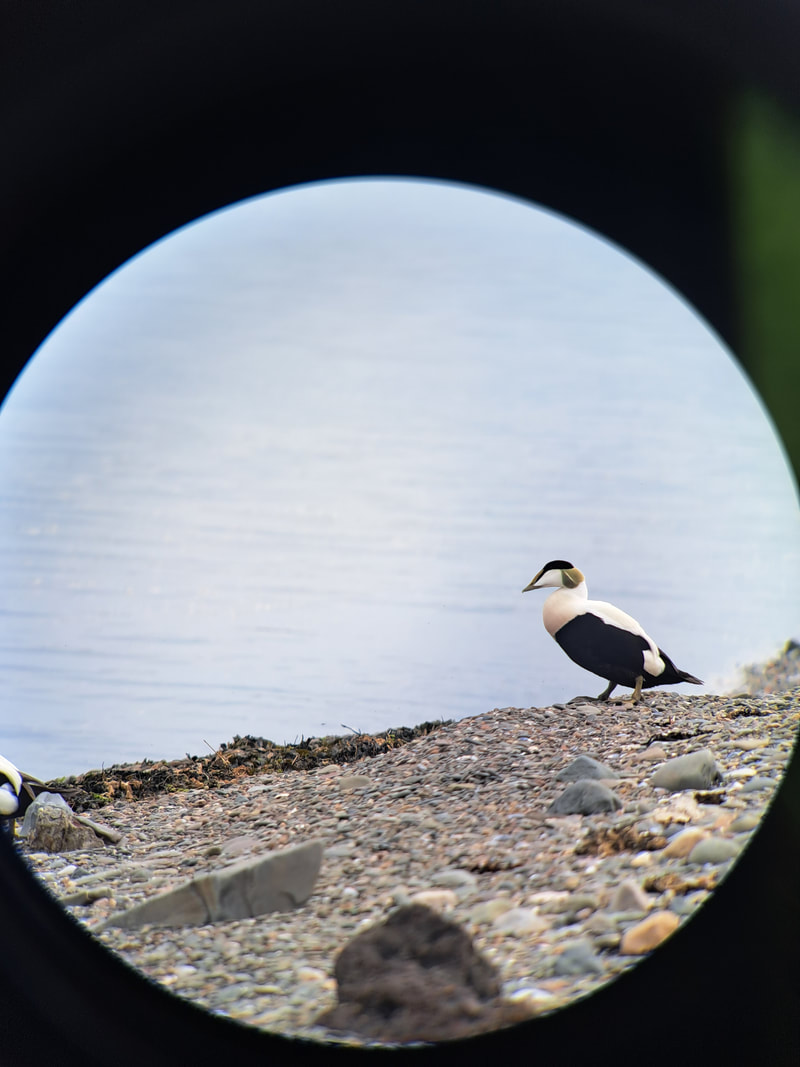
Blog by Dave Blackledge - Site Manager, RSPB Cumbria Coast Reserves RSPB Hodbarrow, on the side of the Duddon Estuary in Cumberland, is the site of an important colony of Sandwich, Little and Common Terns. They breed on land formerly occupied by one of western Europe’s largest iron mines and began nesting there as the mines closed over 50 years ago. Predator fencing and warden protection has seen increasing numbers of seabirds breeding on the island created on limestone slag with vital protected space at a premium. The Life on the Edge project has been helping create more space for our colony to expand. At the start of the project in 2020, we constructed a new island and carried out work to increase the size of the existing one, giving us around 0.75 ha of extra breeding habitat, protected by anti-predator barrier fence. Work has continued this winter to further increase the opportunities for breeding seabirds by creating a third island of 0.25ha. and provide a line of marker buoys along our boundary with the neighbouring caravan park to reduce the incidence of boat disturbance near the islands. 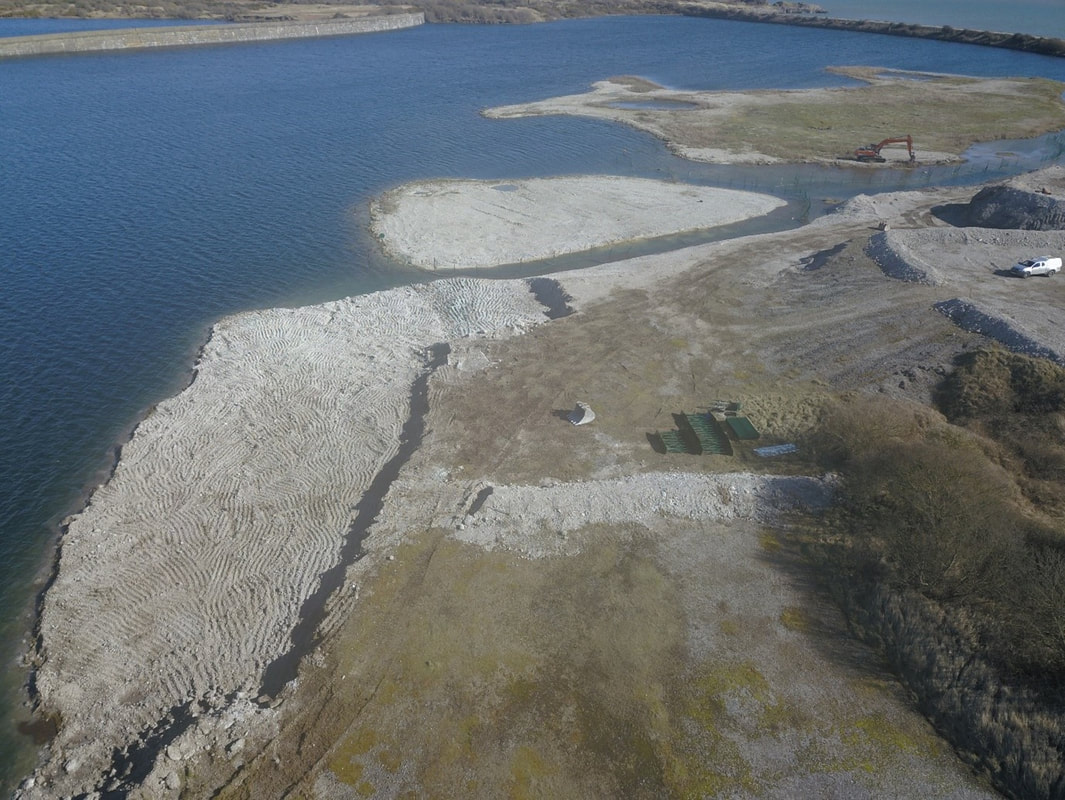 Work underway in Feb 2023 to create the new island (left) and the island created in 2021 (centre) by RSPB The coastal iron mines were enclosed by a seawall at the start of the 20th century to protect works from flooding and thousands of tons of limestone slag from the nearby smelting works were dumped within the wall, providing an ideal substrate for nesting terns when the works were flooded following closure in 1968. Island creation on site therefore centres around lowering, moving and cutting off areas of the slag bank to create disturbance free areas. This increased space has already begun to prove beneficial to a number of species. As terns, Black-headed Gulls and wildfowl began to increase behind the initial predator fence deployed in 2016, Little Terns in particular found it difficult to find space away from other species with their tendency to nest in a more dispersed pattern to other species. The first island created in 2020/21 has attracted most of the 60 or so pairs of common terns to breed creating space for little terns to expand. This season we have a peak of 53 pairs of little terns – a record for the site, and young are beginning to hatch at the time of writing. 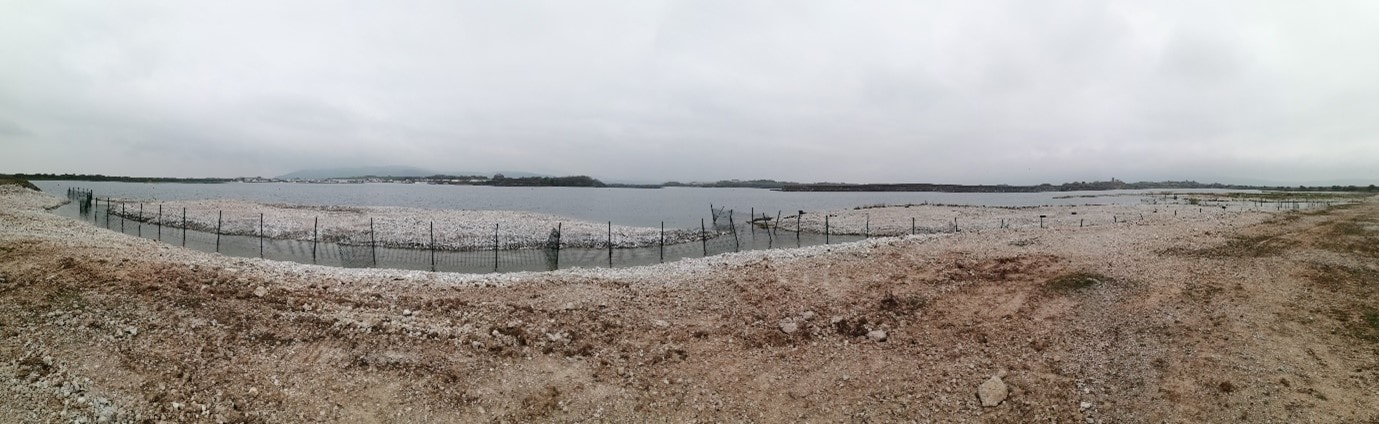 The new island complete with predator fence March 2023 by Dave Blackledge With HPAI hitting some Sandwich Tern colonies hard, we are delighted to have 596 pairs currently hatching young on site – a little down on recent years, but probably expected with a presumably reduced UK population this year. Creating several islands also has the advantages of reducing the chance of predation – any breach of the predator fence would only allow foxes access to one area of the colony – and separating the colony into areas where interaction and movement will be restricted which may help prevent the spread of HPAI throughout the entire site. Eiders too, have benefitted greatly from the works. With historical averages of around 5 nests, increased breeding space and predator fencing has increased this to 73 pairs, with several large creches seen escaping over the sea wall to the estuary in recent weeks. Along with 2 pairs of Arctic Terns, 12 pairs of Oystercatchers, 9 pairs of Lapwings and 4 pairs of Ringed Plover the busy breeding islands are proving a valuable haven for seabirds along the Cumbrian coast. 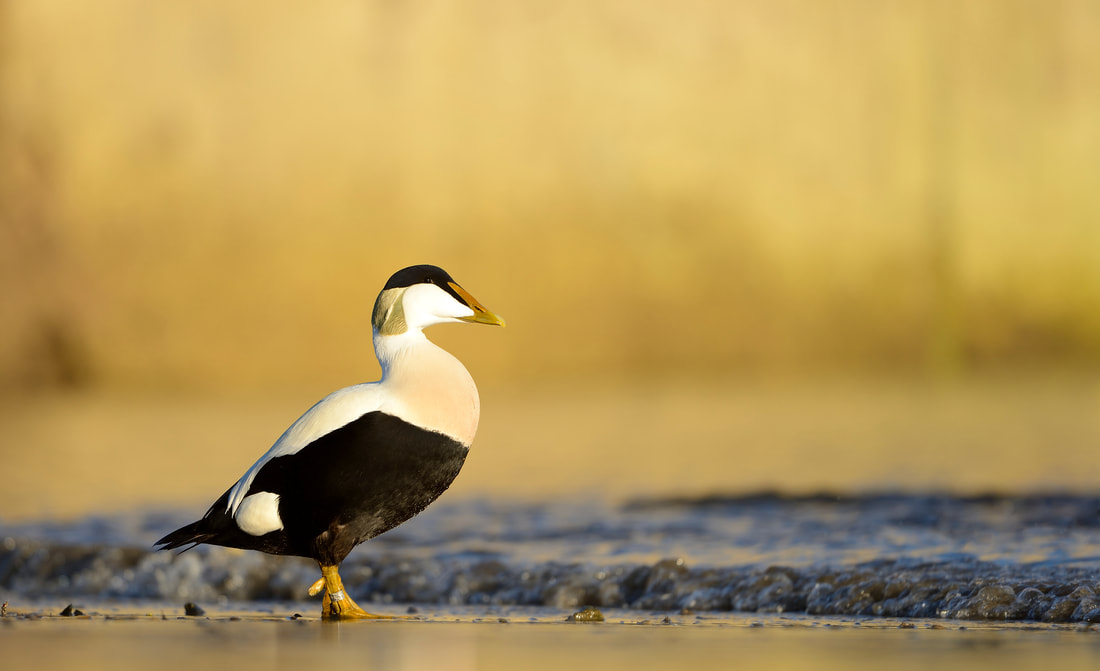 Male Eider duck (RSPB images.com) Previous blogs on RSPB Hodbarrow
Part 1: NEW ISLANDS FOR SEABIRDS AT HODBARROW Part 2: DOING A GOOD 'TERN' Part 3: HODBARROW TERN TRENDS Part 4: 2022 HODBARROW SITE PREPARATIONS
0 Comments
Blog by Rebekah Watts, Cumbria Wildlife Trust Foulney Island Warden Why is Foulney important? Foulney Island Nature Reserve is comprised of a shingle spit within Morecambe Bay SPA connected (via manmade causeway) to the mainland. The reserve is home to several wintering bird species such as knot, dunlin and wigeon and is an important breeding location in the spring and summer for shorebirds such little terns, Arctic terns, ringed plovers and oyster catchers as well as other bird species such as pied wagtails, meadow pipits, eiders and skylarks. 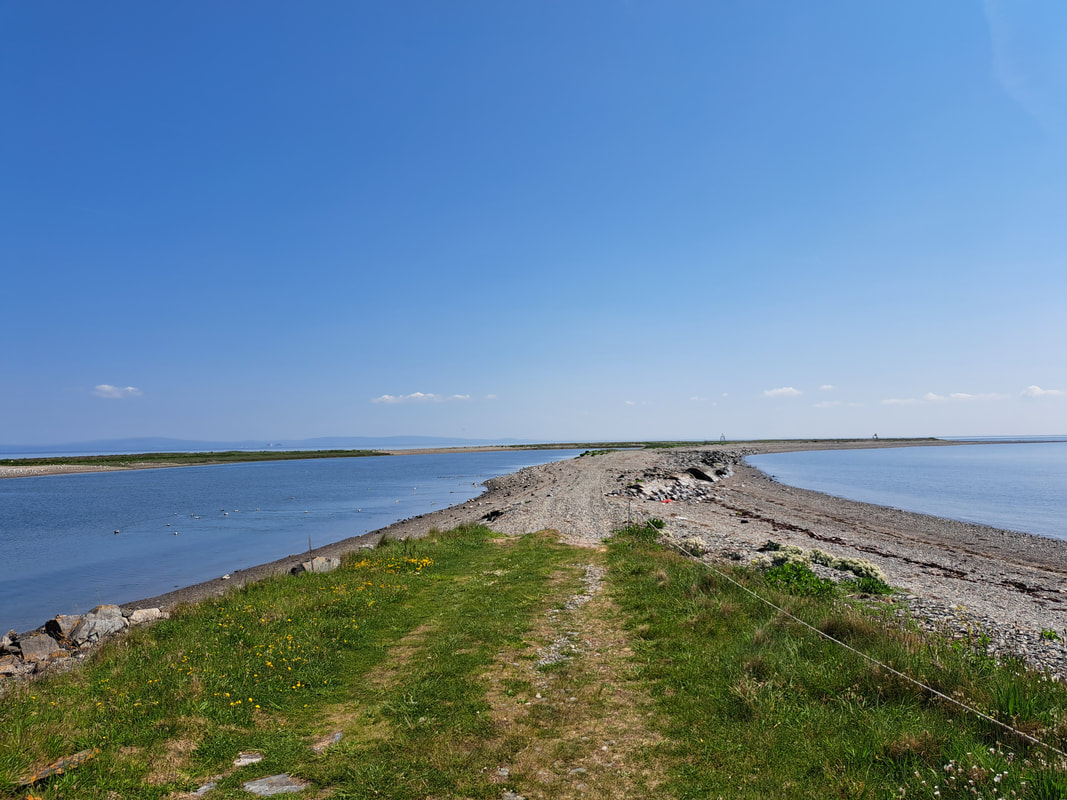 Foulney Island Nature Reserve by Rebekah Watts The terns that choose Foulney as their nesting grounds are protected species and they are in decline. It is so important to offer them a safe place to lay their eggs and raise their chicks as they are easily disturbed by human recreational activities, dogs, aerial and ground predators (such as sparrowhawks and foxes). Their nests are vulnerable as they nest where there are no visual obstructions to allow them to watch for predators but this means that they nest out in the open, making their chicks and eggs susceptible to predation. Their eggs are at risk of being trampled by people, as their camouflage is very successful. Terns nest on shingle and require close access to the sea to feed. That’s what makes Foulney the perfect place for them. Terns return to the same colony to breed in most cases and Arctic tern travel 22,000 miles on their migration. This special little island hosts these incredible birds and it needs to be protected. Breeding Season Preparation Preparation for breeding season on Foulney Island is an intense operation! For this year, the main island was turf stripped to provide extra habitat for shore nesting birds. This new shingle area was fenced off to protect the birds using it to raise their young, from ground predators such as foxes, rats and hedgehogs. Turf stripping involves the removal of the top layer of vegetation and in this case, changing the habitat to shingle. The vegetation was then buried beneath the layer of shingle. This area has been used this season by eiders, ringed plovers and oyster catchers who’s chicks began hatching recently, proving the success of the change in habitat! Skylarks and meadow pipits also benefited from the ground predator protection in this area as they too nested here, inside the fence on the edge of the shingle where vegetation remains. 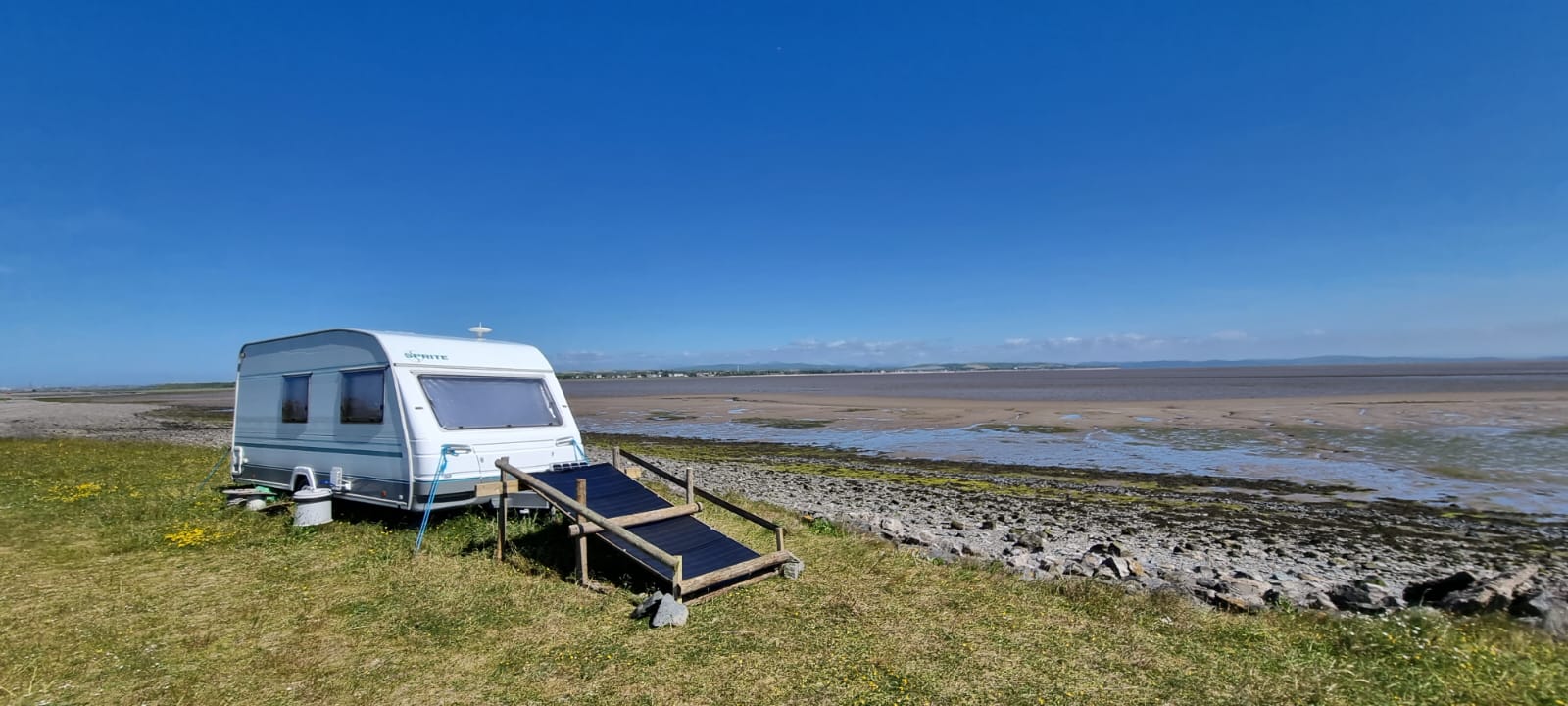 All set up for the seabird season by Rebekah Watts In preparation for the electric fence the vegetation was strimmed. Insulator stakes were knocked into the ground and electric wires passed through the insulators. To prepare the public, signs were put up in the carpark, the causeway and on the island stating that dogs are not allowed and explaining why, and the rope fence to fence off the beach area, where the birds nest, was put up. Lastly, the caravan was put in place. Then it was time to begin surveying! 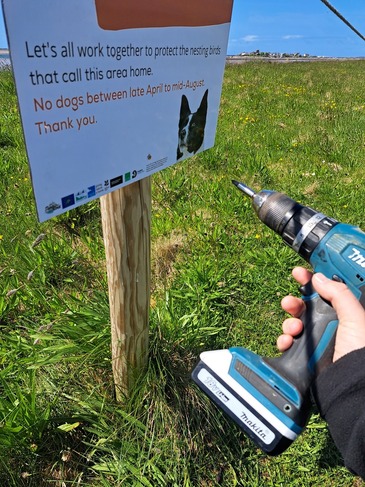 Installing signage to inform the public by Rebekah Watts Warden life on Foulney Hi! I’m Bekka, and I’m this year’s seasonal warden on Foulney island nature reserve. This beautiful little island reserve is home to many species of breeding birds over the summer including oystercatchers, ringed plovers, eider ducks and little terns. In addition to the birds, the island is home to and visited by mammals such as grey seals and voles; as well as insects such as butterflies and moths. Sharing an island with such beautiful wildlife is an amazing experience. Being the only person living on an island might seem lonely, but I have plenty of fishermen to chat to, and of course the wildlife! During the season I have been lucky enough to experience finding nests and watching parents lovingly incubate their eggs, and have watched eggs hatch into beautiful chicks. Watching eider females with crèches of up to 30 ducklings swimming across the water and oyster catcher parents leading their chicks across the shingle are sights that will never get old. 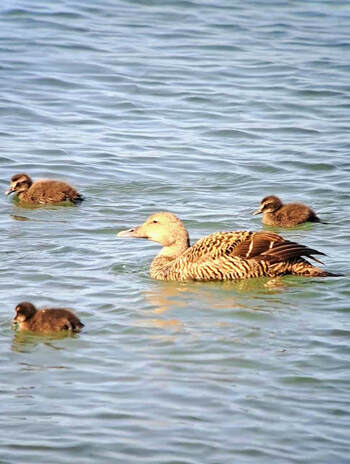 Eider ducklings with mother eider duck by Rebekah Watts As the warden, I spend my time monitoring eggs, chicks and adults, checking trail cameras and engaging with and educating the public. Explaining to the pubic the importance of reducing disturbance to nesting birds is an extremely vital part of my job. The natural threat response in nesting shorebirds is triggered by the public and their recreational activities, especially when dogs are involved. When threatened, shorebirds are forced to flee, leaving eggs and chicks vulnerable to predation, and forcing the adult bird to expend energy which should be used in incubation or finding food. In the worst case, an out of control dog can kill shorebirds, which unfortunately occurred on Foulney this season. It is so important that our shorebirds are protected. We all have our part to play! Now that chicks are hatching we are well into the season. Fingers crossed that all goes well here on Foulney island! Hello, my name is Mark Appleton and work as Beach Nesting Bird Project Officer along the Solent. I joined the RSPB in this role, this March 2023. 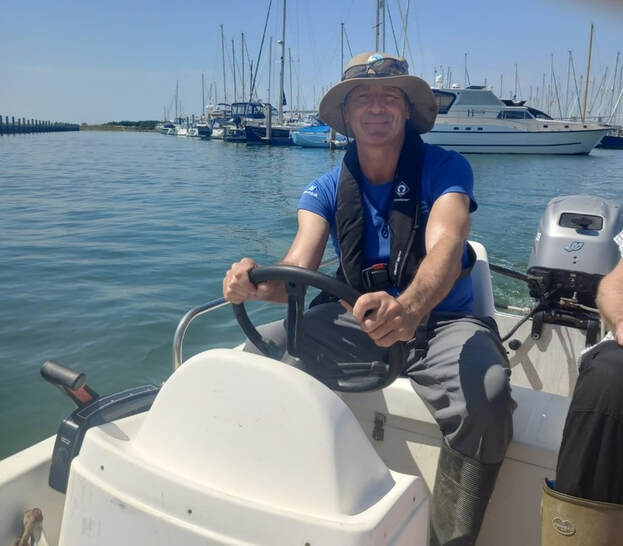 Off to do some Ringed Plover monitoring on Lymington offshore islands So, what does a Beach Nesting Bird Project Officer do? I will attempt to explain some of the tasks I have undertaken so far. Thanks to the LIFE Programme (LIFE on the Edge) and the Solent Seascape Project, I was recruited to help change the fortunes of shore nesting birds on multiple sites, both on and off natures reserves across the Solent. This even includes working at the Browndown Military Training site. The area of Solent that I am responsible for ranges from Hurst Spit on the Western Solent to Pagham harbour on the Eastern Solent. Spread out across the Solent’s shingle and saltmarsh coasts, a diverse range of coastal ground-nesting birds make their home each summer. Ringed Plover, Oystercatcher and Little Tern regularly attempt nesting on our shingle beaches looking for new sites each year to raise a new generation as well as returning to old favourites. At the time of writing, we are in the very busy period where all our beach nesting birds are beginning to hatch, and a lot of my time is spent monitoring and trying to protect them 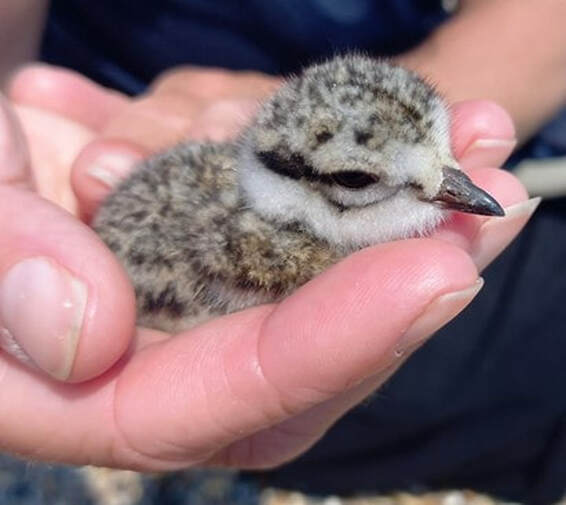 Ringed Plover chick, not long hatched by Mark Appleton (handled under license) 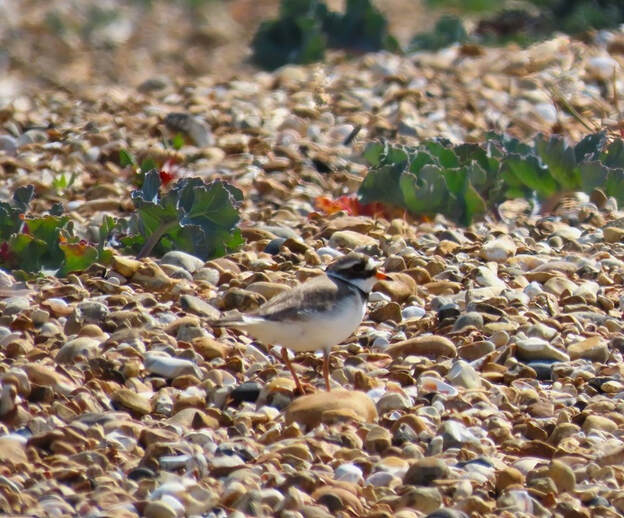 Ringed Plover on shingle by John Morton Dense colonies of Sandwich Tern, Black-headed gull and Mediterranean Gulls take advantage of the water surrounded shingle and saltmarsh islands whilst common tern use a mixture of sites varying from man made structures to secluded shores. All these species are facing the growing challenge of fitting in on our very busy coasts. That’s where we are aiming to make a difference. I have been involved in the creation and deployment of these manmade structures, rafts for the common terns, working both with the RSPB Pagham wardens and volunteers to implement. 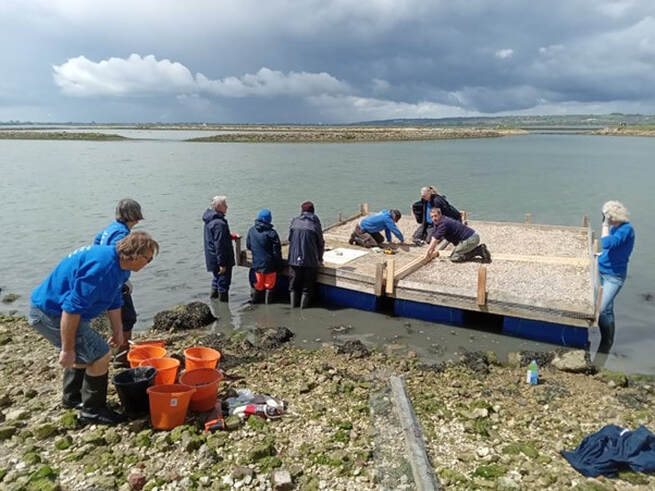 Raft building with the volunteers and wardens by Mark Appleton 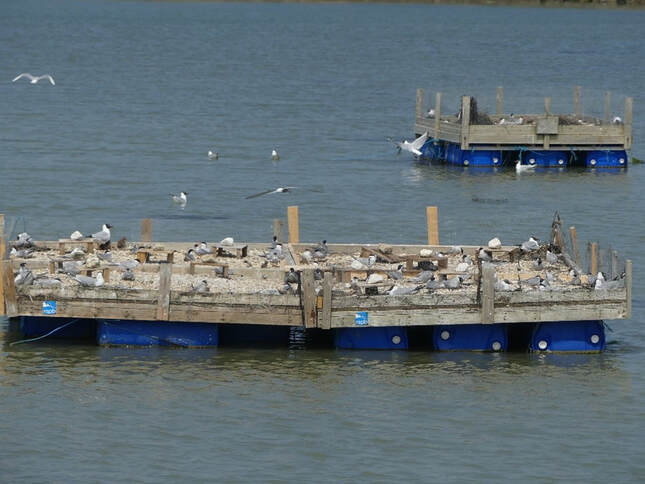 Finished Common Tern Rafts at Hayling Oysterbeds by Mark Appleton 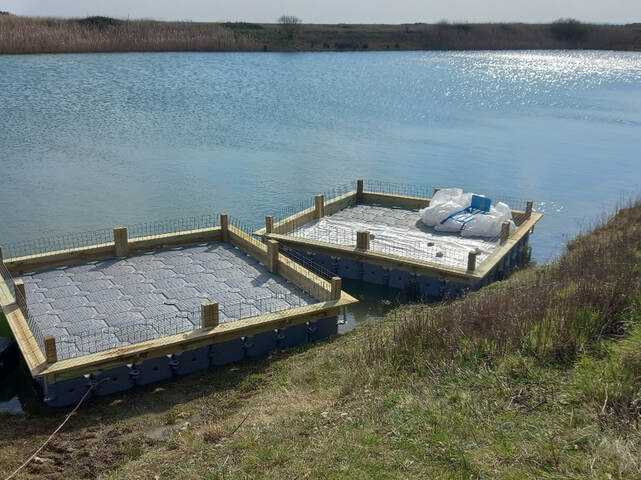 Medmerry Tern rafts in the process of creation by Mark Appleton 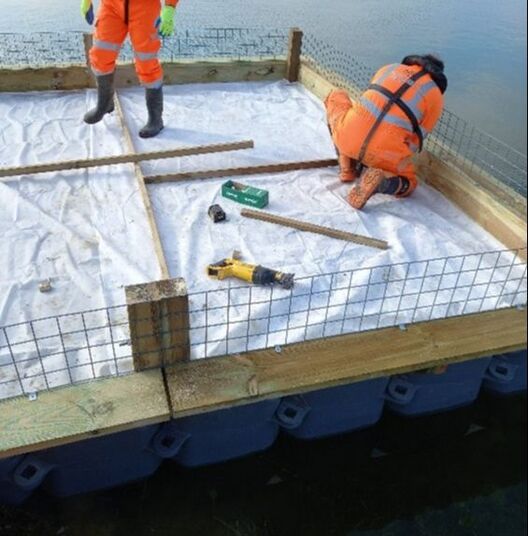 Medmerry Tern rafts in the process of creation by Mark Appleton Another part of the role is to develop, empower and support teams of volunteers to deliver shore nesting bird protection. Both the RSPB Pagham volunteers and RSPB Gunner point volunteers have been essential in providing support. Without them a lot of the jobs would not get done. At Hayling Island Gunner point this year we have continued developing the Ringed Plover Project that was set up by local conservationist Trevor Codlin. With the help of volunteers, we have cordoned off a section of the beach with mesh fencing to give Ringed Plover space to nest and bring up their chicks free from human and dog disturbance. The volunteers helped to install the fencing and regularly patrol the area to educate, raise awareness and inform visitors about how we can help Ringed Plover here by giving them lots of space and keeping away from fenced off areas so they can incubate their eggs without nest failures. I have created a Whatsapp group for the project so we can all provide each other updates on patrols and monitoring results. At the time of writing, we have had 3 successful nests with a total of 8 chicks with 2 very close to fledging. Unfortunately, our Ringed Plovers cant read and one family regularly wonders outside the fence. Only this week a dog was seen chasing the family and was only saved by the adult male luring the dog away by flying along the beach with the dog in close pursuit. This is why our brilliant volunteers are so important in raising awareness. To support our volunteer rangers I have created signage, a periodical update board and leaflets to inform the public. 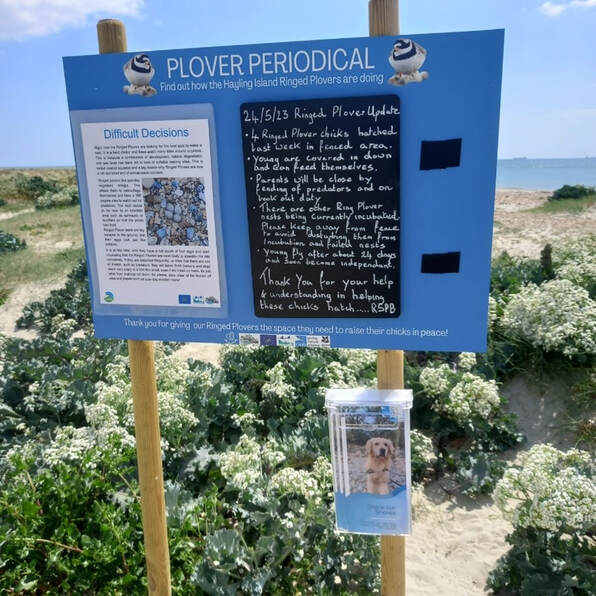 Signage creation by Mark Appleton Deploying and creating signage is a very important part of the role as areas of prime nesting area need protecting 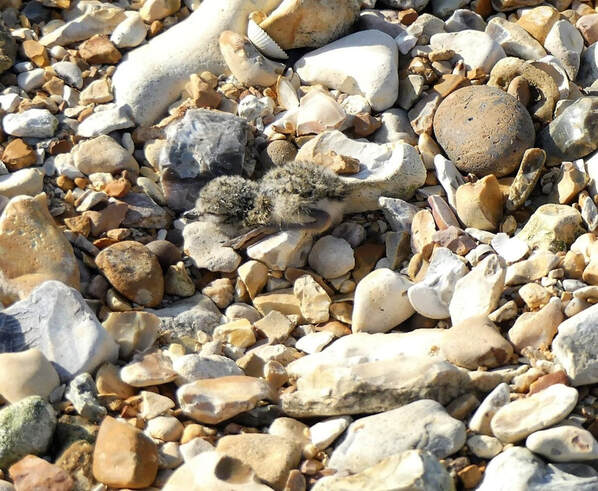 Ring Plover chick keep as still as can be on the shingle, relying on camouflage for protection by Mark Appleton 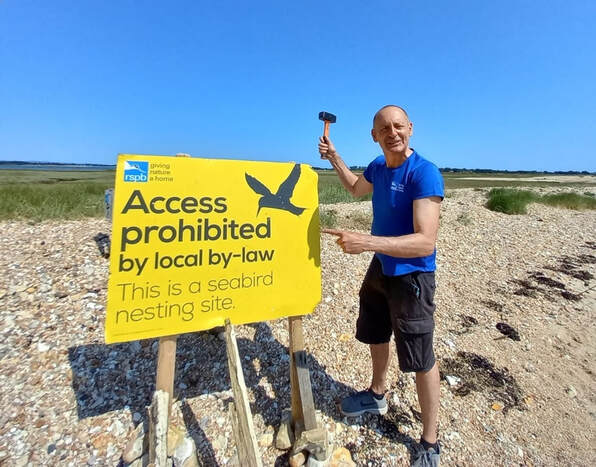 Repairing Signage on Pilsey Island Monitoring of breeding Ringed Plovers has identified that predation is one of the main factors in preventing hatching success. High levels of predation are likely to be exacerbated due to loss of good quality habitat, rising sea levels, and increasing human disturbance which could be resulting in birds nesting in sub optimal conditions and closer together. This year I have been part of the RSPB scientific study to test the effectiveness of nest cages on the hatching success of beach-nesting Ringed Plovers. So far the results are very encouraging and trail camera footage has shown protection from foxes, carrion crows, dogs, kestrel and even a tawny owl. 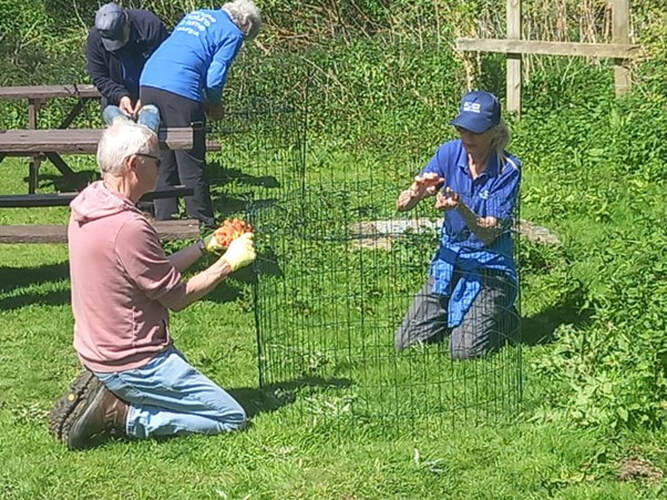 Volunteers helping to construct nest cages by Mark Appleton 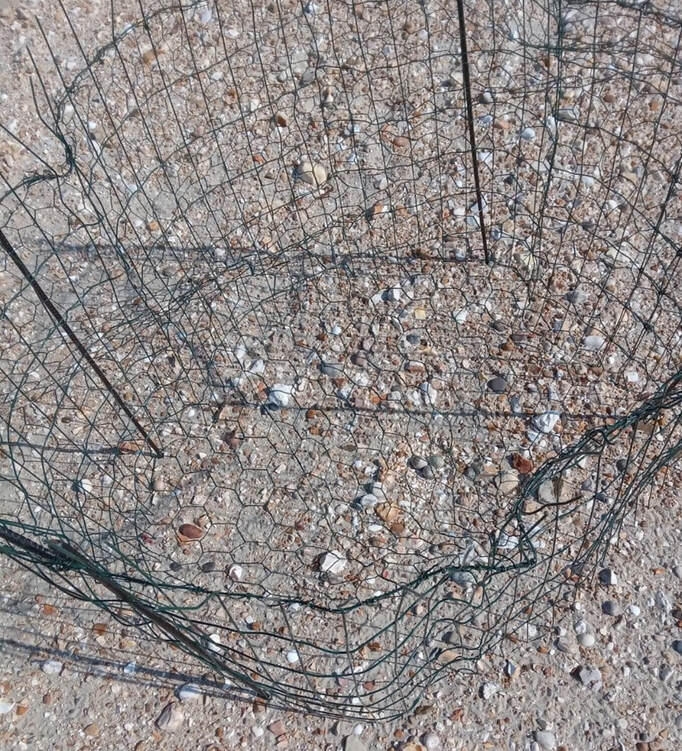 3 Ringed Plover eggs caged by Mark Appleton 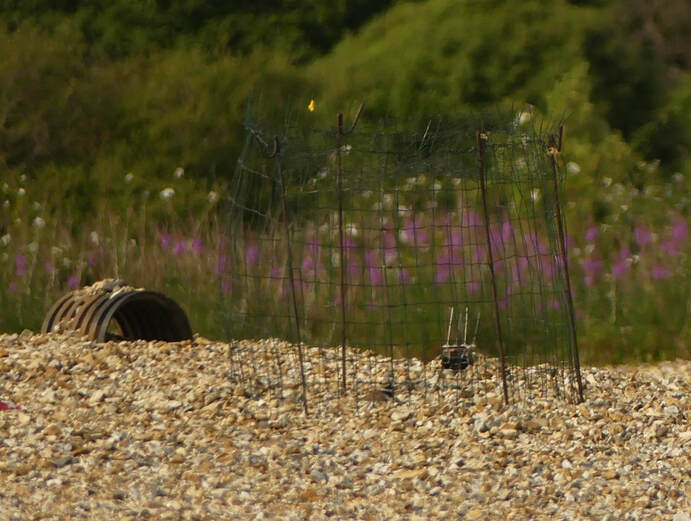 Ringed Plover sitting inside a cage incubating eggs by Mark Appleton An important part of the role is to continue building partnerships across a broad range of organizations so that we collaborate and achieve optimum success in trying to help nature. I try to provide updates and communication between organizations to achieve this and collaboration has include RSPB Pagham, Natural England at North Solent Nature Reserve, Hampshire Countryside Service at Lymington and Keyhaven Nature Reserve and Hook with Warsash , Browndown Military Training camp and many amazing volunteers. I hope this gives a flavour of some of the tasks involved with the role. If I had to summarise the role I would say: -
Buckler’s Hard Website: https://www.bucklershard.co.uk/events/conservation-awareness-day/ Facebook: https://fb.me/e/3h8QvEutw
Happy summer holidays but please remember to look out for our beach nesting birds and give them lots of space with dogs under close control 😊 Thank you for reading Mark My name is Jessie, and I’m this year’s seasonal warden at Cumbria Wildlife Trust’s South Walney Nature Reserve. South Walney is a beautiful reserve that I feel very lucky to be calling home this summer, and it’s a home I share with a lot of amazing wildlife. Whether it’s intently scanning our shingle beaches for the nests of ringed plover or oystercatcher, counting the hundreds of eider duck that roost here at high tide or chatting to visitors, there’s plenty to keep me busy here. I’m employed by Cumbria Wildlife Trust, but my job is a part of the Life On The Edge (LOTE) project, an EU funded project lead by the RPSB. LOTE is dedicated to understanding, monitoring and improving the quality of coastal habitats, with a particular focus on oystercatcher, ringed plover and little tern. Engaging with visitors and reducing the impact of visitor disturbance on nesting birds is one of the most important parts of this, which can include keeping people away from the most important nesting areas and strict rules on dogs. 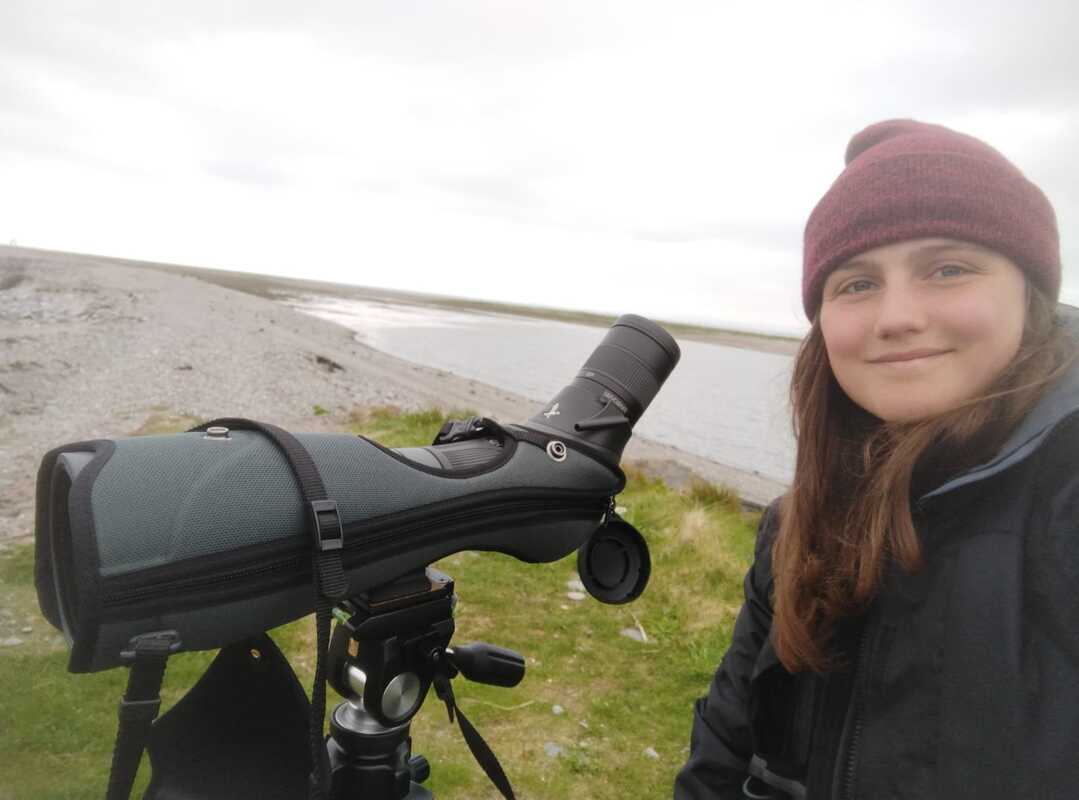 Out in the field monitoring the shorebirds by Jessie Prentice All of our breeding shorebirds are very vulnerable to disturbance, as although their incredibly camouflaged nests provide excellent protection from predators it also means that people don’t notice them and can very easily step on them. Sadly, dogs are also a threat – even the most well-behaved dog will be seen as a predator by a nesting bird, and repeated encounters with dogs can cause birds to abandon their nest. In the worst cases, out of control dogs can actually attack or even kill wild birds, although this is rare. All breeding birds are protected under UK law, so we all have a duty to do our bit to protect them where we can! Here at South Walney we don’t allow any dogs (except assistance dogs) and there is no public access to the beach, and this goes a long way to protecting the beautiful wildlife that calls this place home. 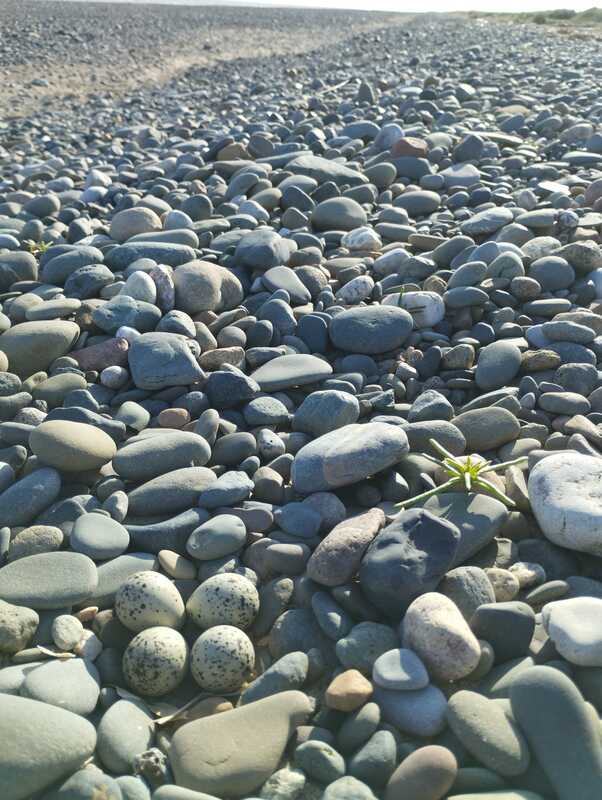 A well camouflaged Ringed Plover nest by Jessie Prentice The best part of my job has to be nest surveying. I have to scan far ahead of me on the beach for any signs of nesting or territorial birds, and be incredibly careful where I walk to avoid stepping on the very thing I’m looking for – eggs perfectly disguised as pebbles. These may be the eggs of oystercatcher – unmistakable with their black and white plumage and vivid orange bills – or of ringed plover – looking a little like a forgotten member of the Incredibles with their distinctive black mask. Nest finding requires patience, a keen eye and keeping on constant alert for the slightest movement or the faintest alarm call from a nearby ringed plover. Although I have to say oystercatcher alarm calls are never exactly faint, and often I find myself being shouted at by an oystercatcher 200m away that I hadn’t even noticed yet! 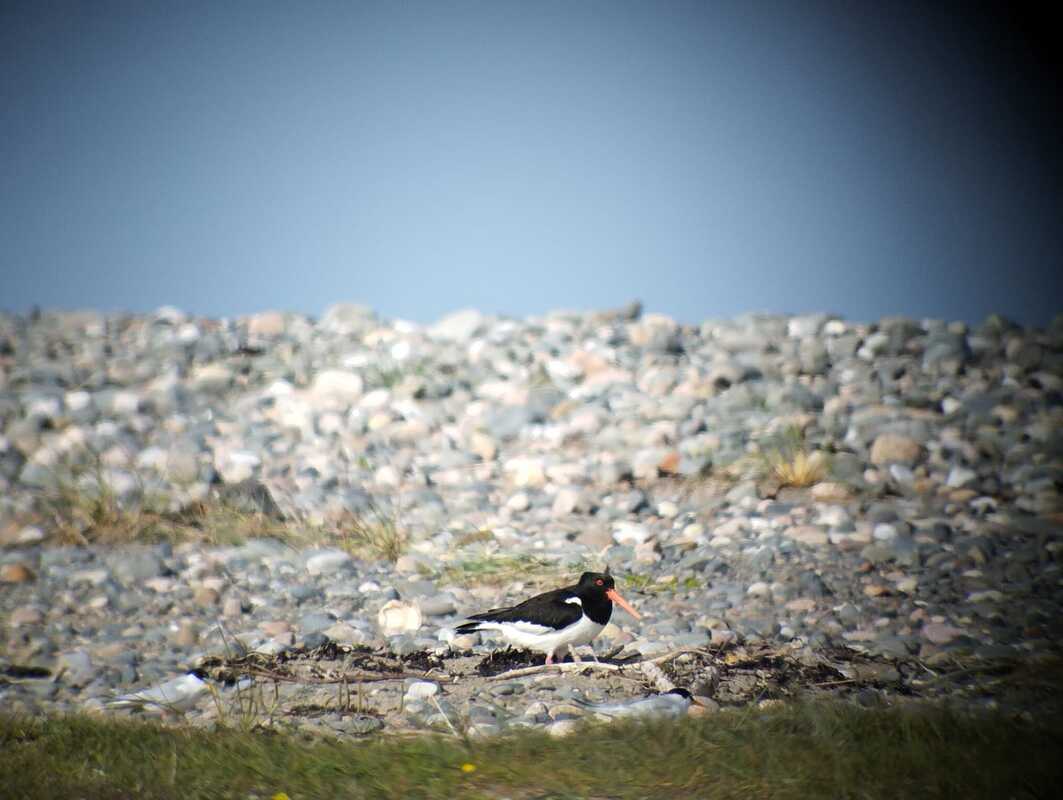 Little Tern and Oystercatcher at South Walney by Jessie Prentice In the last week I have been lucky enough to find 3 little tern nests. Little terns are the UK’s smallest breeding tern, with a bright yellow bill and a very distinctive chirping call. Like many seabirds, they migrate from Africa to Europe every spring to breed, and will return there again in the autumn. I’m very excited to have them breeding here at South Walney and will be crossing my fingers for a successful breeding season! Stay posted for regular updates from me and if you’re visiting you may see me out and about – come and say hi! Blog by Sarah Dalrymple, RSPB Senior Species Recovery Officer Last week I was out in and around Barcelona with Ricard Gutierrez and his colleagues from the Fauna Conservation Unit of the Government of Catalonia, to see how they monitor and protect breeding colonies of Audouin's Gull (Ichthyaetus audouinii). 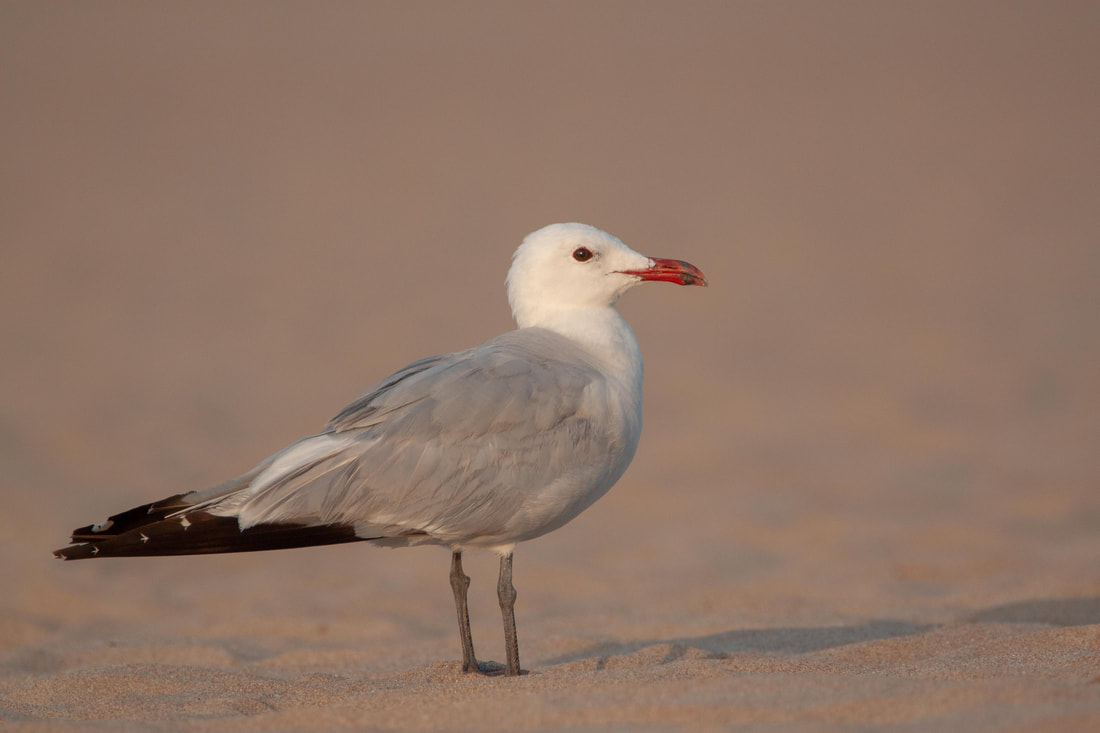 CC BY-SA 4.0 Bertie Harding The current European population estimate for this species is estimated at 15,900 to 21,800 pairs, from just 1,000 in 1970s. Their biggest colony at the Ebro Delta, in Catalonia, was hit hard by predators in the early 2010s. The birds moved to more urban settings: at the docks in Barcelona and Tarragona, about 80km to the west, and at a rooftop colony on a factory in Barcelona’s industrial zone. 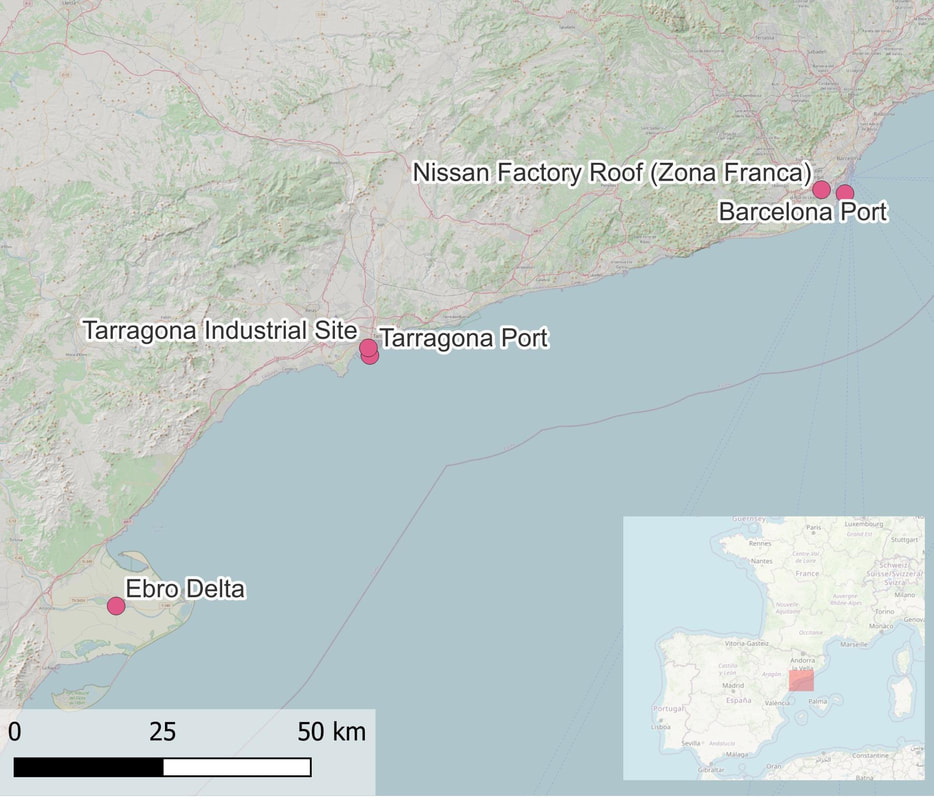 Locations of the main Audouin’s Gull colonies in Catalonia Barcelona Port At Barcelona port, a few hundred gulls chose to nest on land put aside for development. To discourage them away from this area, and onto a nearby protected area put aside for them, the port landowners employed someone to walk up and down the development area all spring and summer, preventing the birds from settling in this area.  A view of the docks at Barcelona. The black arrow shows the development area the birds were dissuaded from nesting in, while the red arrow shows the long narrow harbour wall put aside for the birds to nest in (photos by Sarah Dalrymple). The area on top of a nearby Harbour Wall was designated as compensatory nesting habitat. With the birds unable to settle on the development land, they were encouraged to move to this location by placing simple bits of shelter. This was amazingly successful; rocks, pipes, branches, everyone had a nest or two (or four!) next to it. 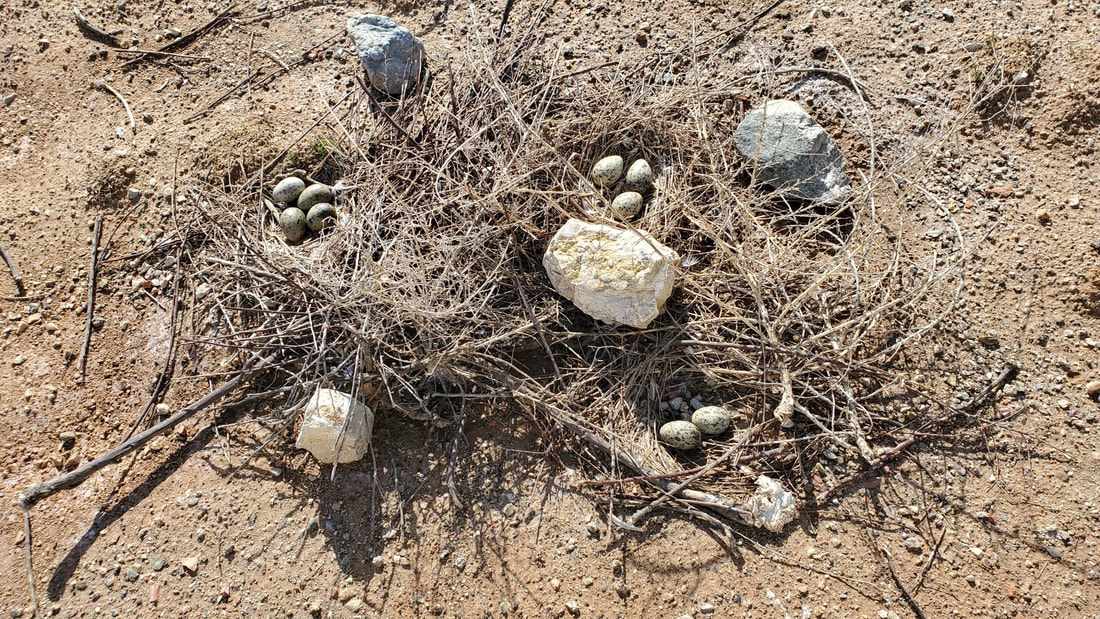 Above and below: Nests at Barcelona Port (photos by Sarah Dalrymple) 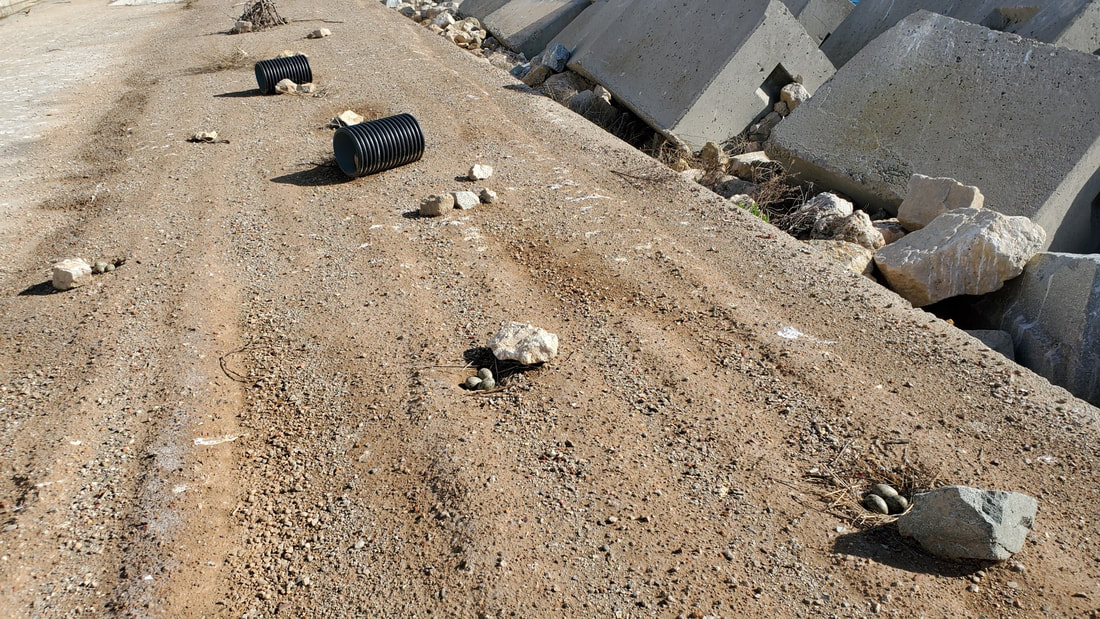 2023 found 838 nests here, an increase from 439 in 2022. Zona Franca, Barcelona The rooftop at Zona Franca covers nearly 7ha, where we counted 438 nests of Audouin’s, alongside a large colony of Yellow Legged Gulls (Larus michahellis). The Yellow-leggies outcompete the Audouin’s for space, pushing them further away into the corners of the site. Like at the docks, nests were frequently found next to something, in this case pipes, rooftop structures, and in one case – a cactus. This is the only known roof-top nest site for Audouin’s gull. 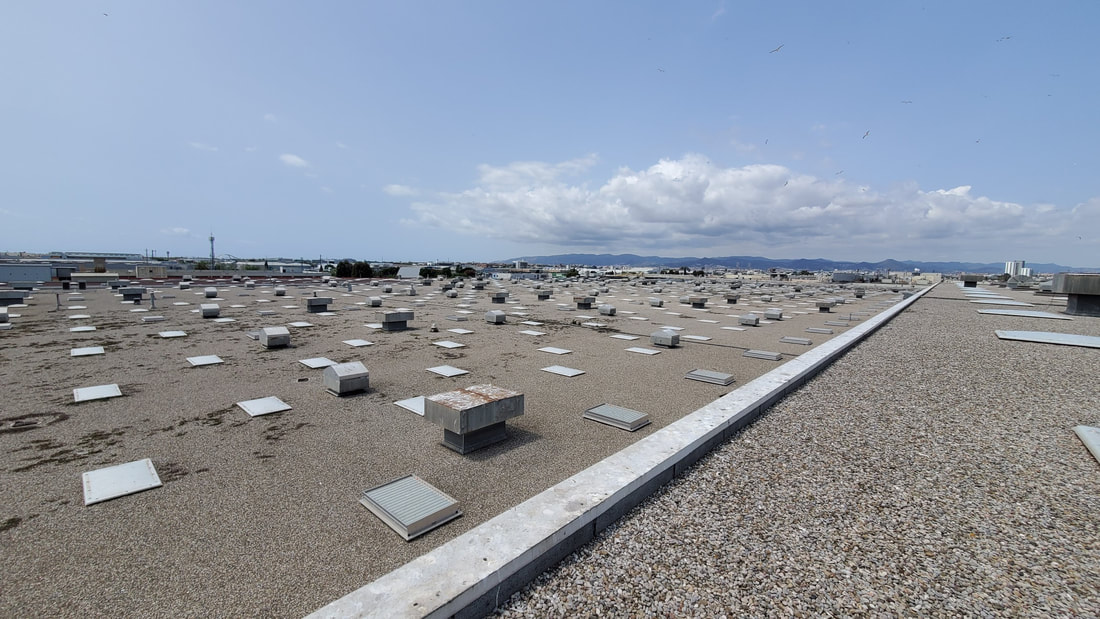 Above and below: The rooftop colony at Zona Franca (photos by Sarah Dalrymple) 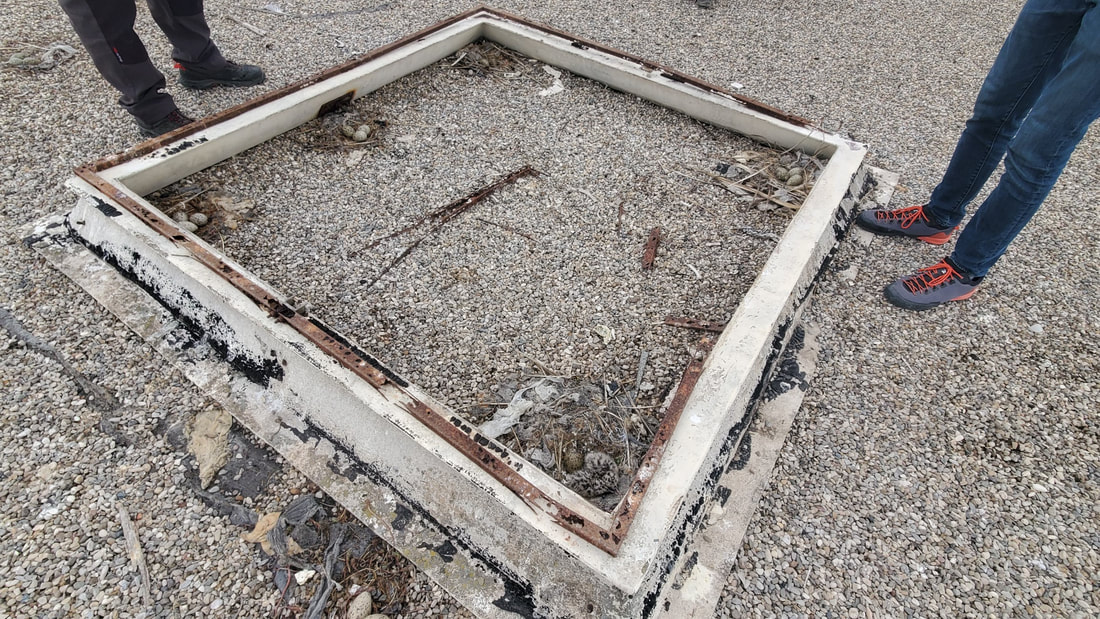 438 nests were counted here in 2023, a slight decrease from 453 in 2022, but still up on the 205 pairs counted in 2021, when the colony was first discovered. Tarragona At Tarragona, harbour authorities have fenced off the two nesting areas of these birds. Like at Barcelona, access to the dock area is restricted, so they are protected against casual disturbance. Again, the gulls preferentially nested next to even the smallest bit of shelter. 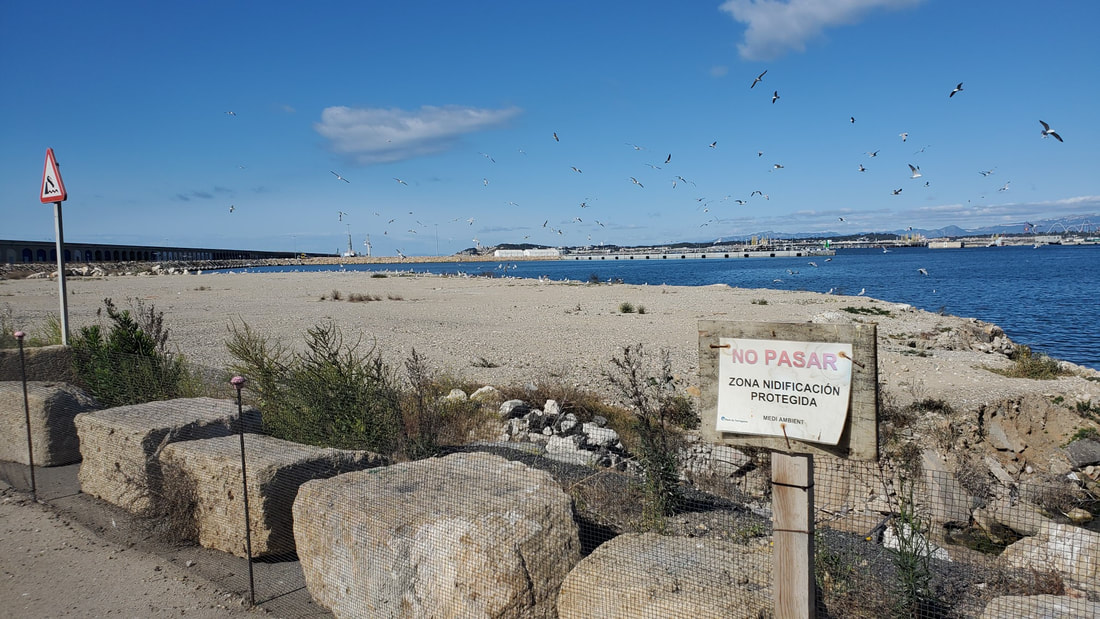 Above and below: The colony at Tarragona Port (photos by Sarah Dalrymple) 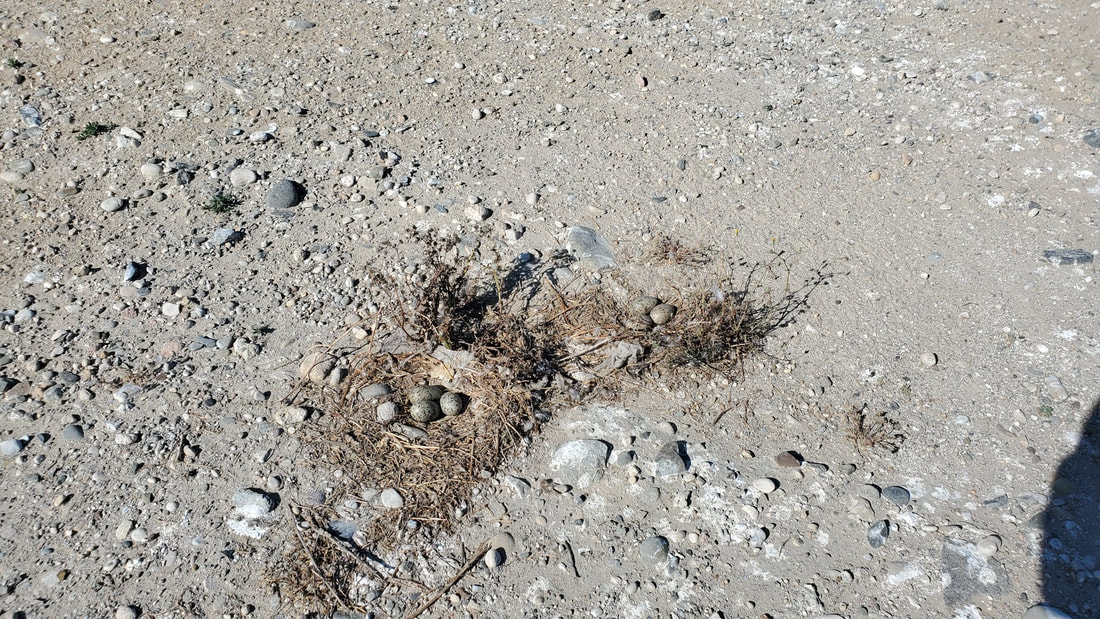 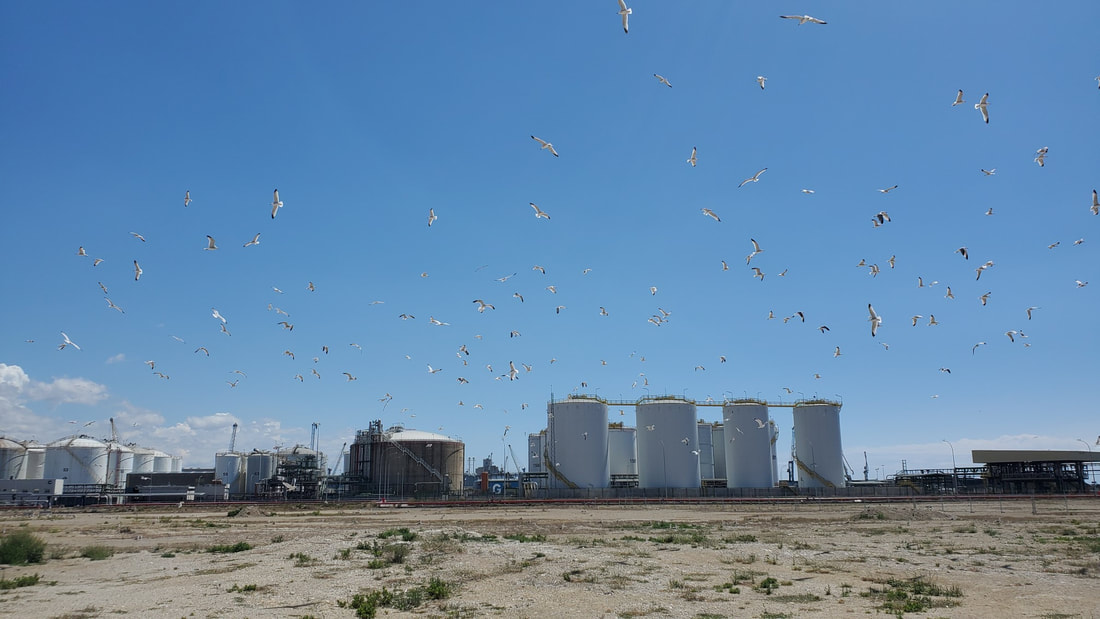 The colony on the industrial land at Tarragona Port (photo by Sarah Dalrymple) At Tarragona port, the two sites held 651 nests in 2023, an increase from 439 in 2022 but still down on the peak of 1,043 nests in 2018. The work of the Fauna Conservation Unit has involved not just monitoring and protecting, but working with the commercial landowners at the docks and the factory to secure and protect the nest sites of this species. It has absolutely paid off; increasing the number of colonies provides security for the species, and by their locations, these colonies are protected from most predation and disturbance. It is great to have strong evidence of the positives of colonies sited in urban and industrial areas. At the Ebro Delta, I was shown the simple measures that have been put in place to help protect beach nesting birds such as Kentish Plover (Charadrius alexandrines) from recreational disturbance. As well as signage, extensive areas have been fenced off with rope fencing to prevent vehicle access. We spoke about how with very similar issues in the two countries when it comes to beach nesting birds, there is a lot of potential for co-operation and information sharing. 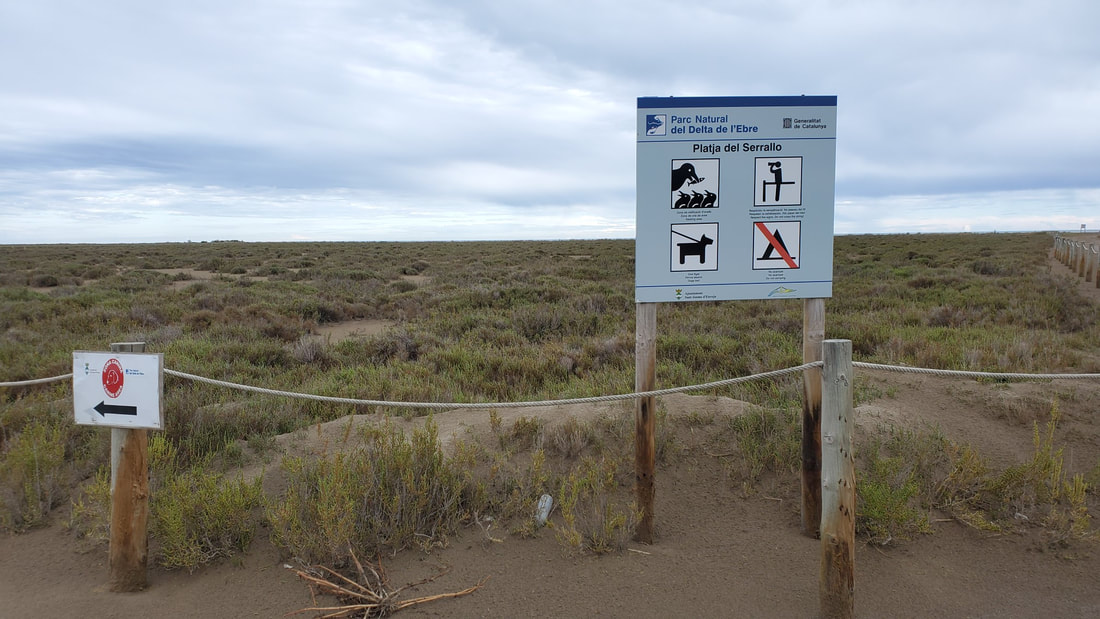 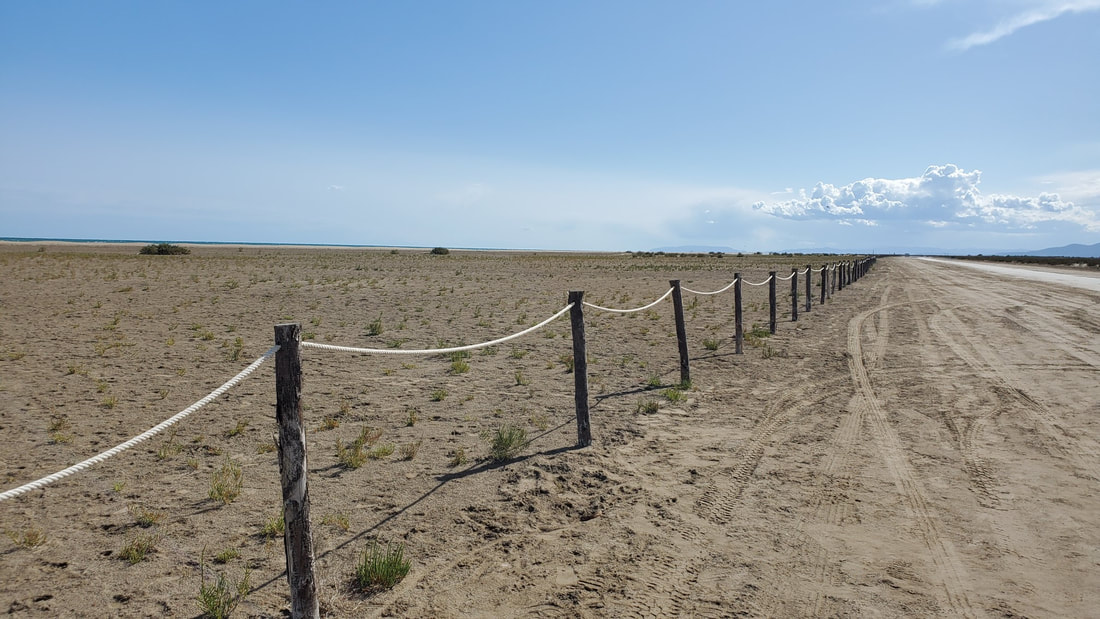 Signage and rope fencing at Eucaliptus and Serrallo Beaches. The beach behind The rope fence is quickly revegetating now that vehicle access is restricted (photos by Sarah Dalrymple). This was a fantastic visit. It was great to meet Ricard and his team, and I cannot thank him enough for taking the time to welcome me and show me the gull colonies in these incredible places, as well as the pelagic boat trip, excellent birding around the Ebro Delta and some amazing Catalan tapas. If interested, more information can be found here: Government department website: mediambient.gencat.cat/ 2022 season summary: birdspain.blogspot.com/2022/06/la-gaviota-de-audouin-en-catalunya-en.html |
|
Project LIFE on the edge: improving the condition and long-term resilience of key coastal SPAs in S, E and N England is supported by the LIFE Programme of the European Union
|
LIFE19 NAT/UK/000964
|
